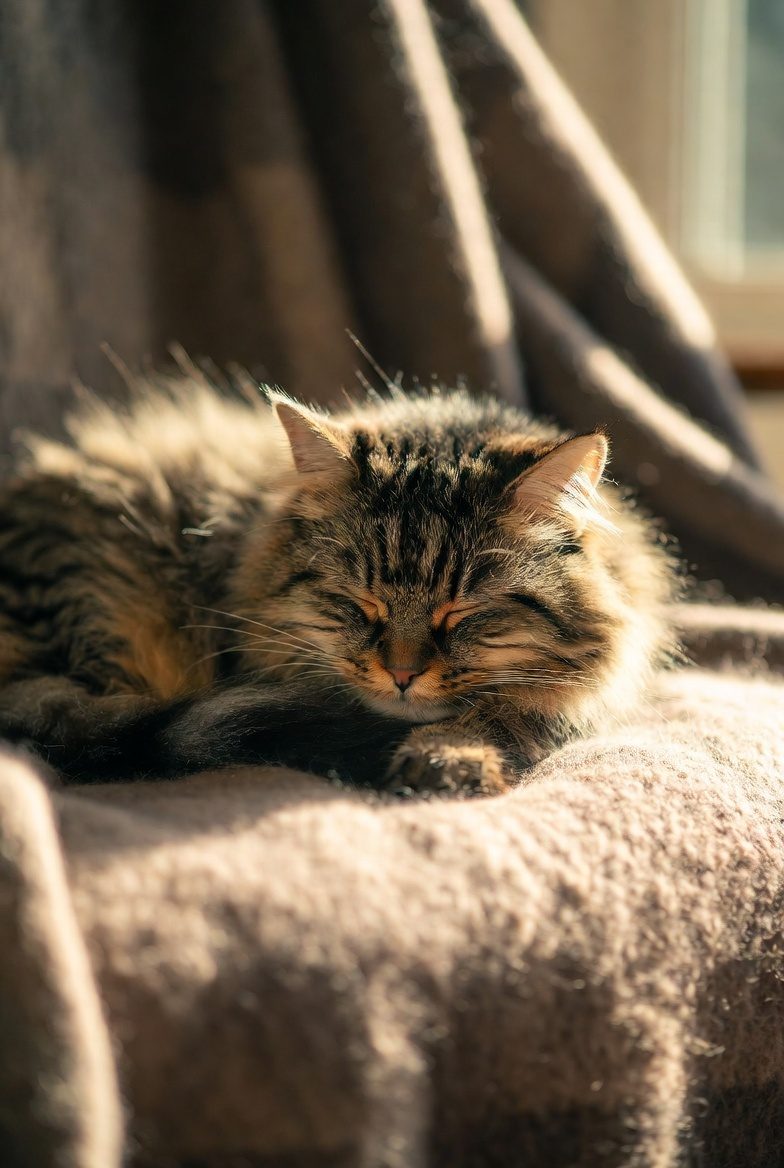
Cat aftercare in Minneapolis (Twin Cities) is an identity-and-return problem: private ashes, compact memorials, and calm pickup that fits indoor life under mixed housing.
Most cat memorials here live on a shelf or in a drawer. Skip backyard-burial debates unless you truly have compliant private land (Hennepin County).
Minneapolis ranks #1 of 6 places in Minnesota in this dataset (~429,000 residents) — it functions as a primary aftercare market, not a satellite stop.
Dense Minneapolis cat households usually need shelf-scale memorials and quiet quiet carrier transfer. Private-return language on the feline identity form matters more than how many ads claim same-day vans.
Minneapolis sits in Hennepin County alongside Edina, Wayzata. A Hennepin County park yes does not automatically cover a city greenway in Minneapolis, and a quote written for Edina does not guarantee free pickup at every Minneapolis ZIP.
Heat stress stays relatively mild year-round near Minneapolis. Cold-stress months: January, February, December. Lower-stress outdoor windows often include April, May, October. Use the calendar as a planning hint — not a weather guarantee.
As a larger center than Saint Paul (~311,000), Minneapolis more often hosts facilities that smaller towns drive toward — still verify the physical crematory address. Same-county peers (Hennepin County): Edina, Wayzata. Shared county identity ≠ identical pickup zones.
Minneapolis's outdoor culture is legendary even in winter — dogs in booties and coats are a common sight on frozen lakes and cross-country ski trails. The city's strong Scandinavian heritage influences a practical, no-nonsense approach to aftercare: clear documentation, fair pricing, and straightforward communication are valued over elaborate marketing.
Winter memorial services are often held indoors at community centers, churches, or private homes. Garden memorials should use frost-resistant materials — granite and cast metal survive freeze-thaw cycles; many ceramics do not.
Linden Hills feline-living note: Linden Hills families value warm, personal aftercare relationships — preferring providers who remember their dog's name and follow up with genuine care.
Cat Cremation Services angle: cat guardians navigating quiet goodbyes, multi-cat grief, and smaller-scale memorials. Get individual-versus-communal in writing before authorizing.
Cost swing to pin down: Keepsake requests. Whisker vials, prints, and specialty mini-urns may be à la carte.
Deep frost lines make winter burial impractical; cremation is standard for cold-season losses.
Climate (Humid Continental at 44.98°, -93.27°) mainly changes outdoor ceremony comfort, not whether cremation is available.
Surviving cats often change routines.: Appetite, vocalization, and clinginess can shift for weeks.
Ask about winter road delays for rural pickup and whether ashes can be held until spring ceremonies.
Cat Cremation Services reads Minneapolis (Twin Cities) through a cat lens: protect private cat ash locket plan, understand the individual feline processing, and treat quiet carrier transfer as a logistics fact — not a slogan.
Guardrails for every call: require written private-return language; avoid communal default without disclosure; document with feline identity form; get a physical small-companion desk address that can serve your Minneapolis ZIP.
Place anchors for cat planning in Minneapolis: ~429,000 residents in Minnesota (Hennepin County), humid continental climate, lakes / freshwater region geography, in-state rank #1/6, density mixed, drive band “self-hub,” logistics framed by primary state hub market center. Useful comparison places in-dataset: Saint Paul, Edina, Wayzata.
Housing density in Minneapolis (Hennepin County) is mixed (large city): apartment cores and single-family rings coexist. Ask the transporter which pattern matches your address — quotes can change between the two.
Minneapolis is part of Twin Cities in Minnesota. Nearby in-state communities in the same planning band include Edina (~12 km) and Saint Paul (~14 km) and Wayzata (~19 km). Use that geography when asking transporters about typical routing — not a national “serves everywhere” claim.
Cat cremation uses the same private/communal distinctions as other small companions, but ash volume is smaller. Many families plan for roughly 1–2 cups of cremated remains and a compact urn — confirm with the facility. Re-check every national average ($60-$200 depending on service type and urn selection (educational range — confirm locally)) against this Minneapolis address and drive band “self-hub.”